



Posted on

Phare Ponleu Selpak – Pigment making class

work-title-Studio_journal

Phare Ponleu Selpak
Pigment making workshop

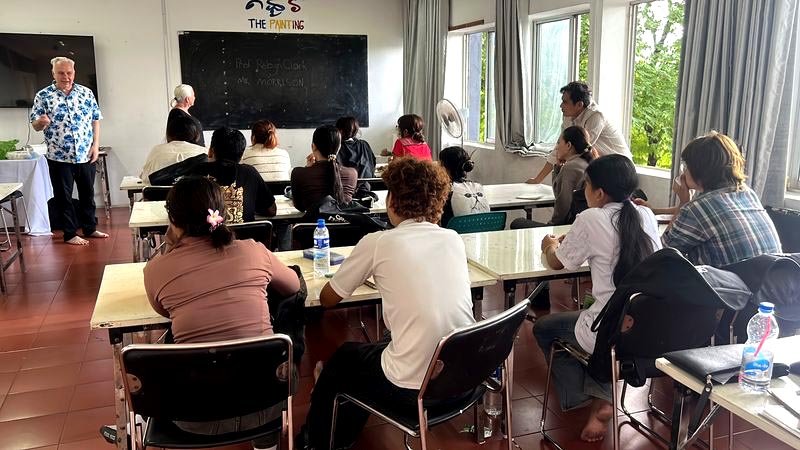
Whenever I have the opportunity to return to Battambang, my former home in Cambodia, I always enjoy visiting and teaching at Phare Ponleu Selpak, an art school with around 1,000 students.
One of my favourite workshops to teach is pigment making. We begin with a short talk about pigments, how they are created and a little of their history. There is always a rather smelly story involving egg yolk, which adds a bit of humour to the afternoon.

This year, I was joined by Professor Robyn Clark, whom I had met through The Pinnaroo Project, which explored the effects of art on a community. It was wonderful having Robyn there. She brought a scientific perspective to the workshop, explaining how art can affect both individuals and the wider community.

After our introduction, I sent the students outside to collect rocks, soil, vegetation and anything else they thought might produce a colour.

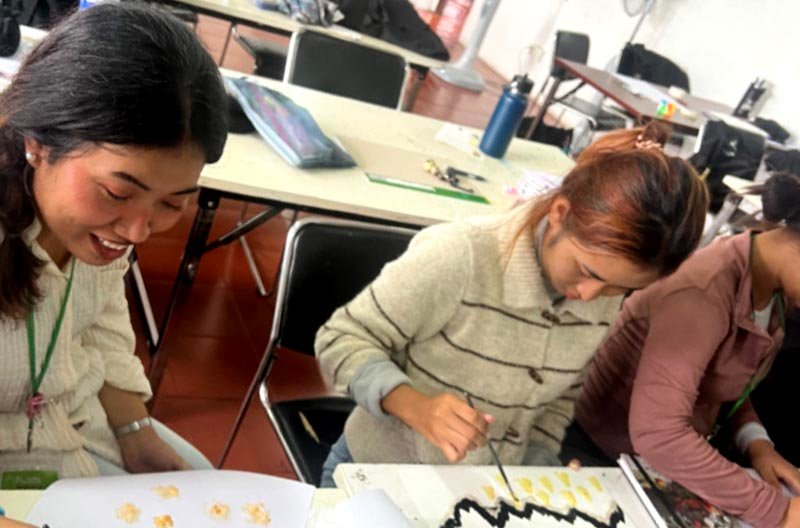
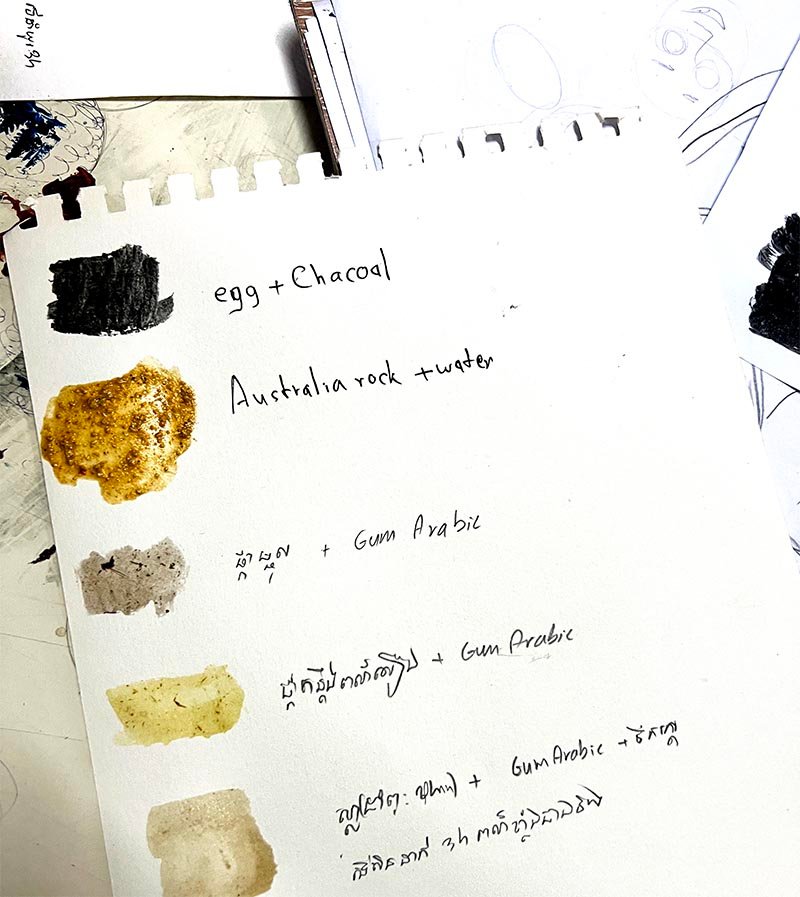
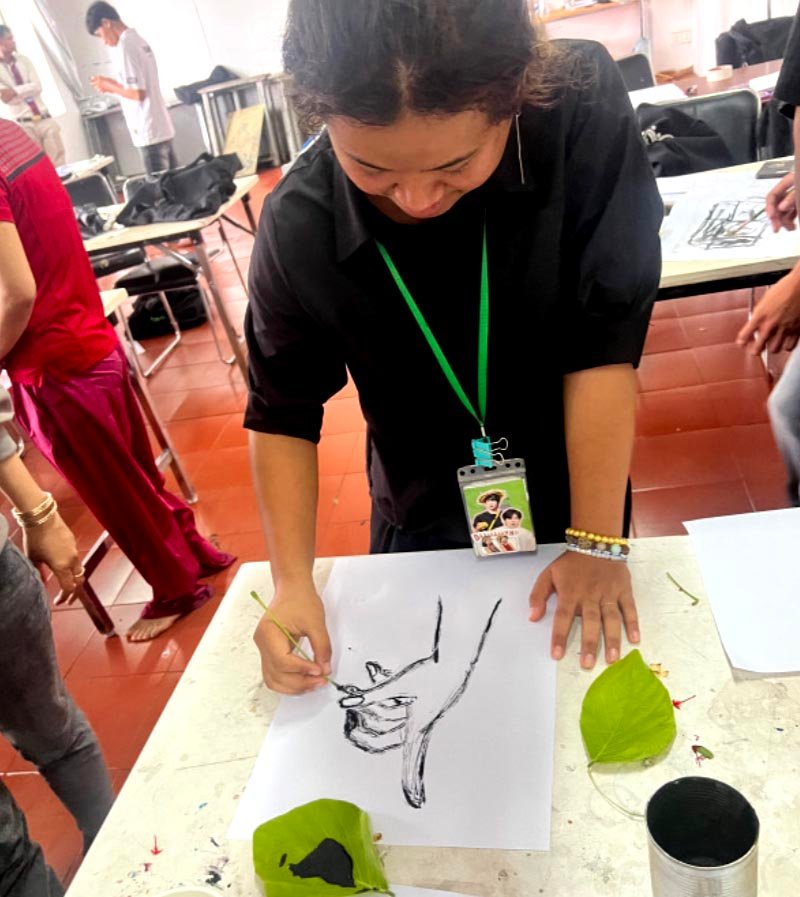
When they returned with their discoveries, I showed them how to turn these materials into pigments and create their own paints. An important part of the process was learning to record their recipes, noting the materials, quantities and methods they had used.

These notes allow the students to reproduce a successful pigment, but perhaps more importantly, they help them learn from the ones that don’t last. If a painting fades after a few years, they will know which recipe not to repeat.

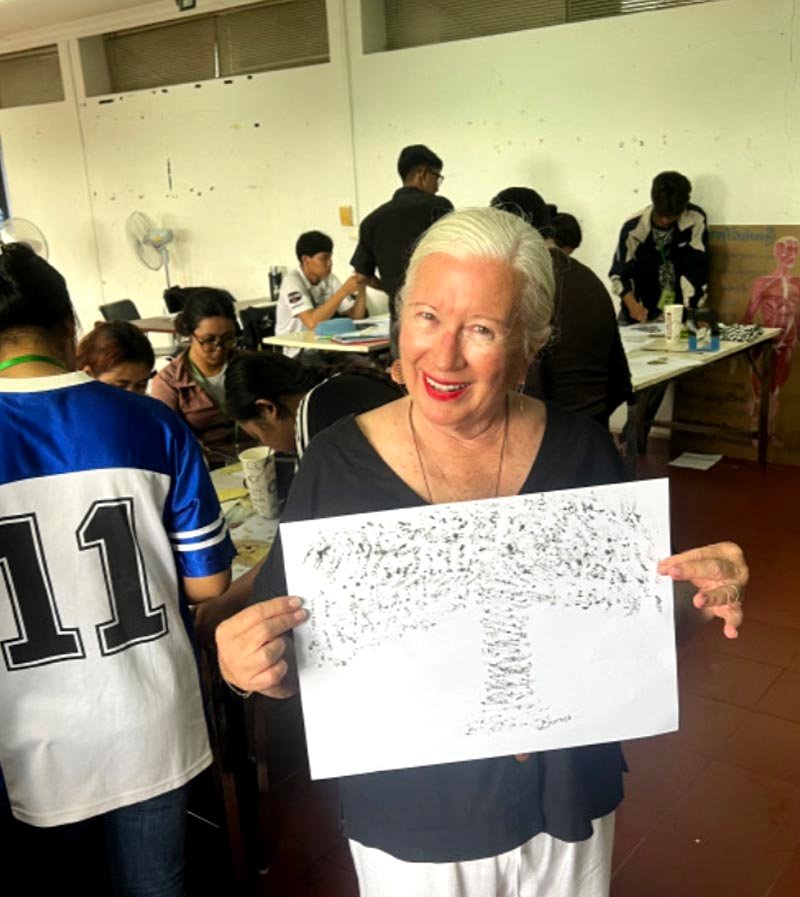
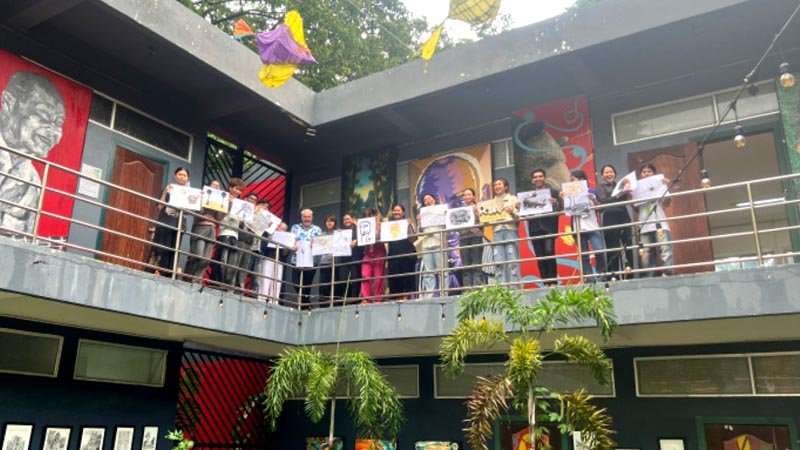
Finally, with our freshly made paints, everyone created a painting or two. There is something wonderful about seeing students discover colour in the most ordinary materials, then turn those discoveries into art.

It is always such a fun and rewarding day, full of experimentation, surprises and laughter.

I’m looking forward to returning to Phare to teach again in July 2027.

Posted on

Book binding workshop

Book Binding workshop

Books are awfully decorative says Auntie Mame, and a hand bound book is positively ravishing. Books signifies good taste, good reading, and most of all, time effort and aesthetic appreciation.

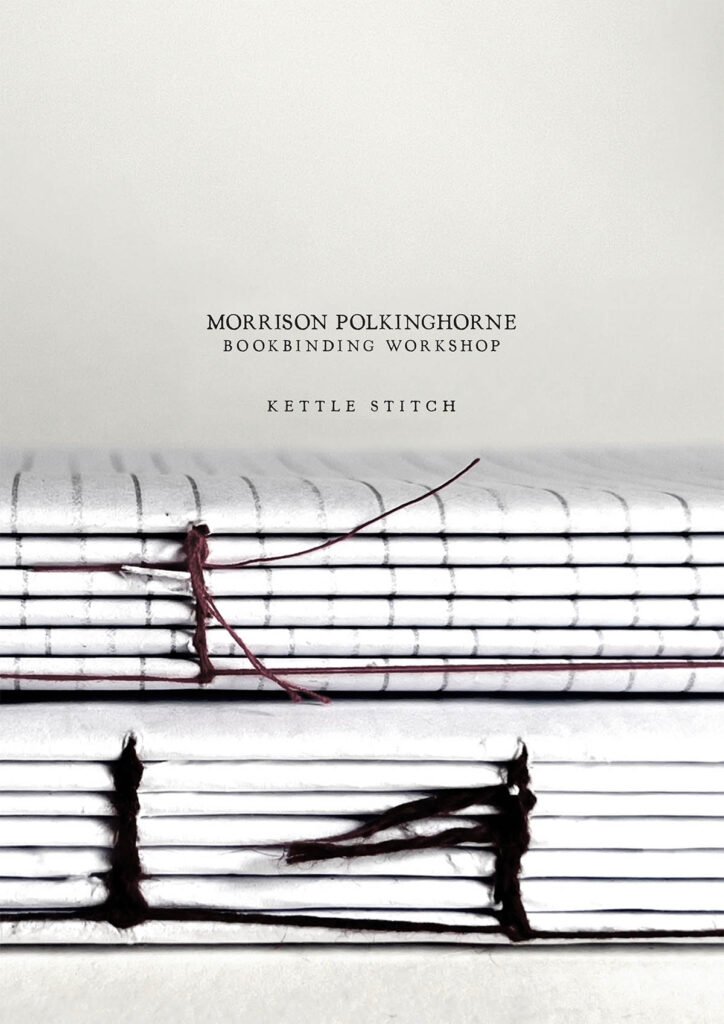
In my course let me lead you into the world of bibliphilia with three book binding styles. Learn how the Chinese and Japanese stab pages to make a decorative stitched binding. The coptic book binding which dates back to the early Christians in Egypt allows the pages to flow freely and how a simple stitch can make a dramatic statement.

These techniques are ideal for binding your special papers, mementoes, recipes, and diaries, just to name a few.  “Scraps” for the scrapbook now become treasures, bound and preserved.

After this course, even, and especially, your notebooks becomes a work of art.

The attached photos thank you to Bridge Arts in Murrayville Bridge SA.

Posted on — 2 Comments

building My Jacquard Loom

building My Jacquard Loom

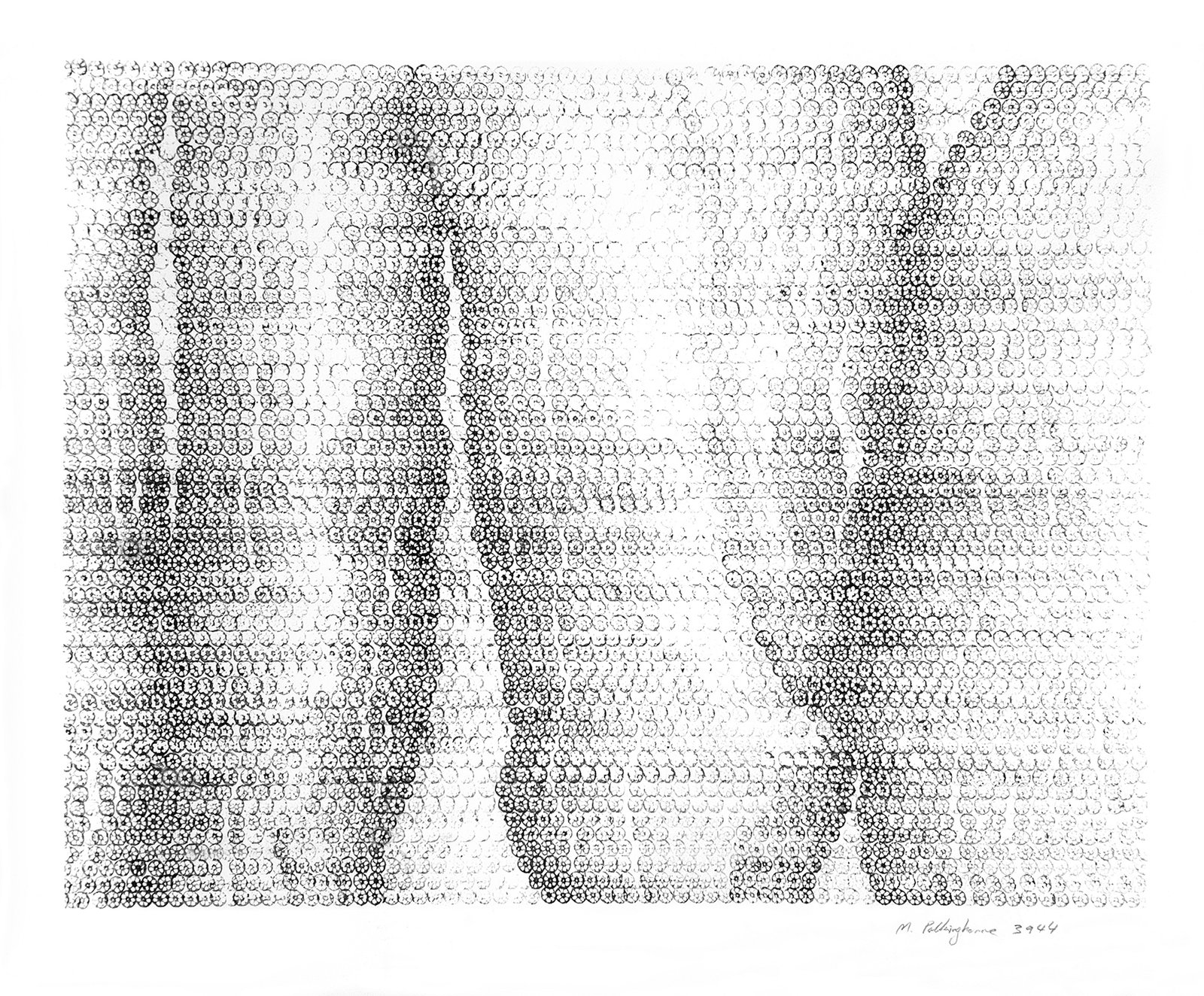
While traveling to Lyon in July ’16, I was able to copy plans, and trace, a 19th century Jacquard loom. It has long been a dream of mine to make a Jacquard — arguably one of the world’s first mechanised computers — and now, finally, I can construct make a Jacquard loom. Ive already made several specialist  French trimming looms based on 200 year old designs, so how much harder should it be to make a late 19th century year old loom with computer cards?

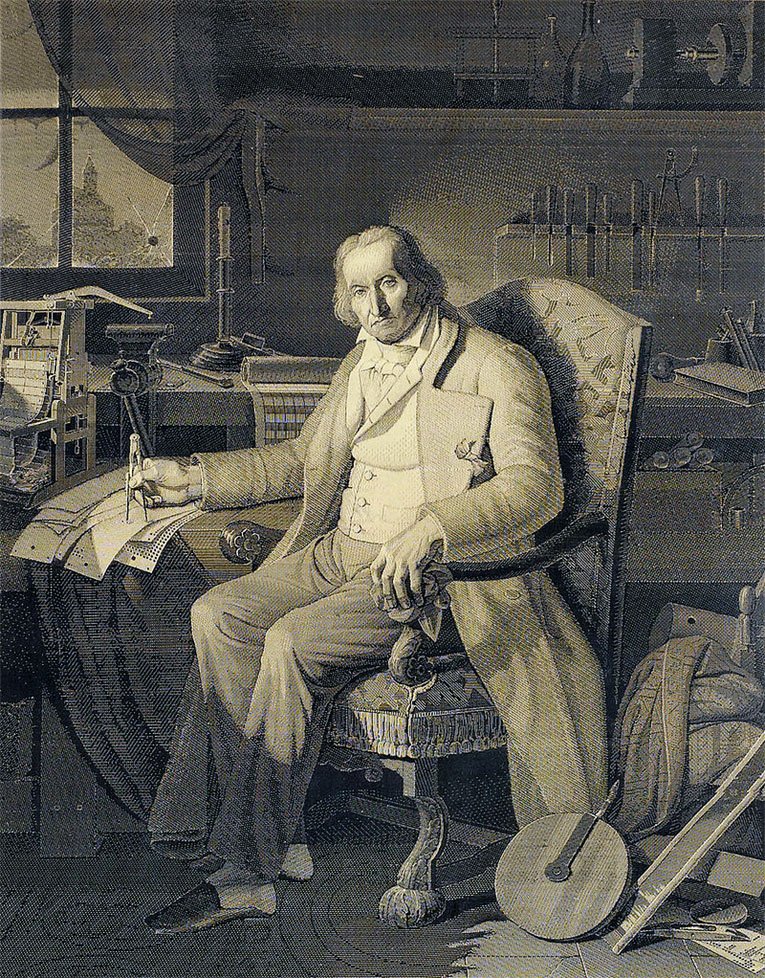
This portrait of Jacquard was woven in silk on a Jacquard loom and required 24,000 punched cards to create (1839)

The Jacquard loom was invented by Joseph Marie Jacquard and first used in 1801. Prior to this intricate patterns, such as brocade,  damask and matelasse were created on a draw loom, where a minimum of two people were required to create the fabric where individual strings were pulled to manipulate the patterns. Jacquard revolutionised this by using a punch card system — similar to early computers —  allowing just one person to weave intricately patterned fabrics. This was part of the development into the computer age.

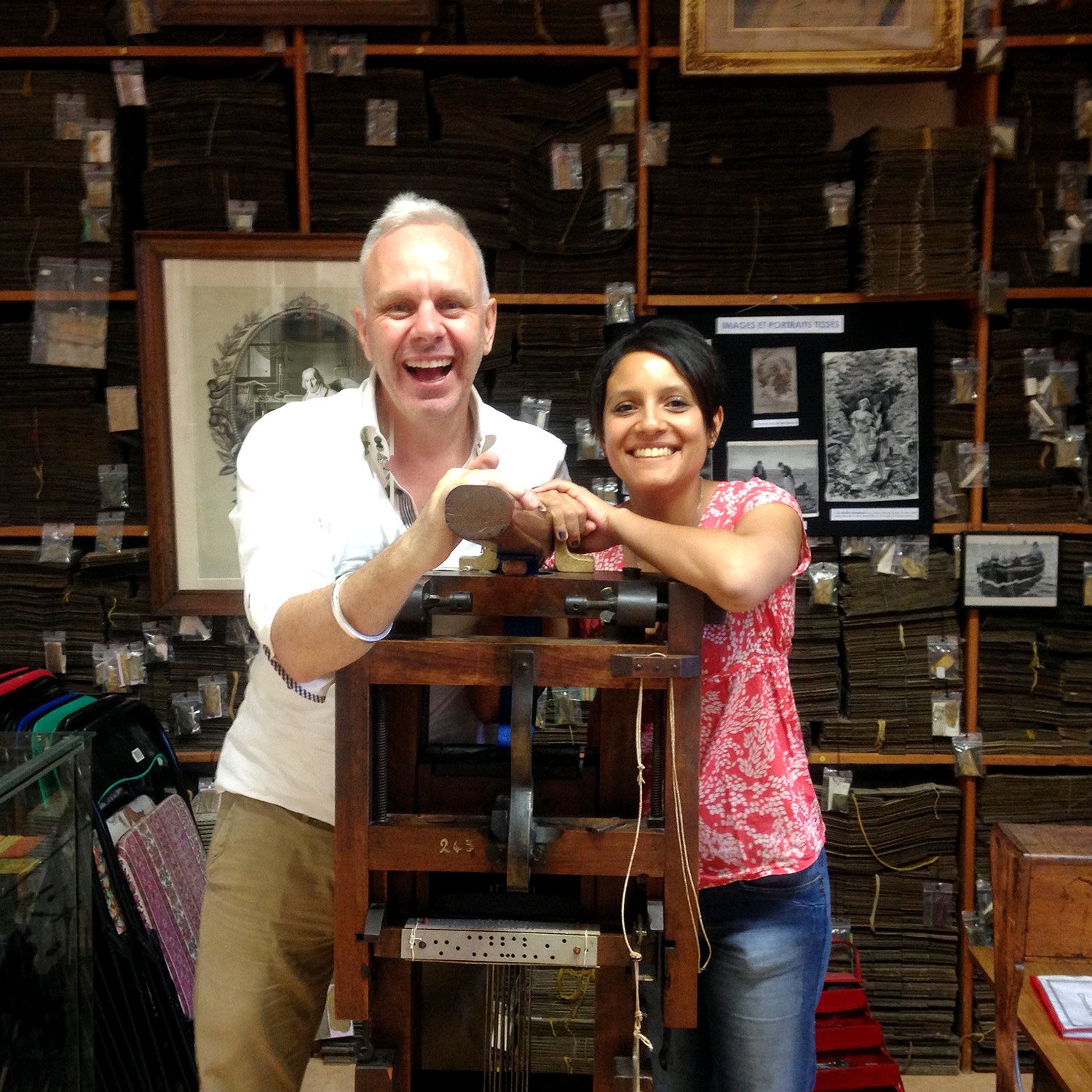
Morison Polkinghorne with Hélène Carleschi from Soierie Vivante and the Jacquard mechanism I was able to work with.

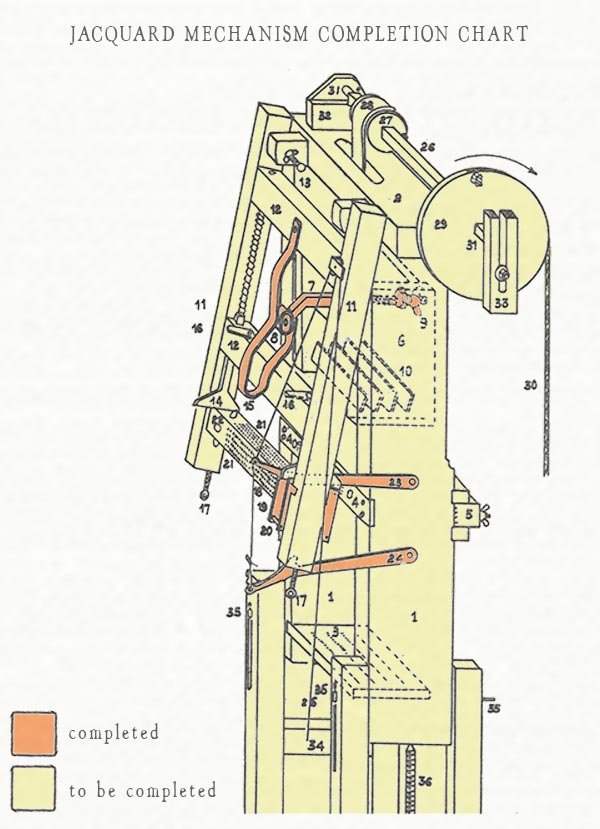
In Lyon’s specialist workshops and museums,  I was able to sit with paper, pens and  ruler to trace and make notations of the Jacquard mechanisms. I discovered the intricate workings of the mechanism: So many tiny springs, the engineering of the lifting movements, the keys that pull the punch cards on to the next card. Everything I needed to know about how to create a Jacquard loom.

Since arriving back home in Battambang, I have been working with locals helping me with this project. My metal workers have re-created some of the intricate parts. (see below) I’m still  looking for 150 small springs, however, as  I can not find them in town. Likewise, it is not easy to find old aged wood that won’t bend and twist. That is the next step for me.

SECTIONS COMPLETED
#7. Pulley arm
#8. Pulley
#15. ‘S’ bar
#20. Cylinder – metal
#23. Hook
#24.  Hook

Posted on — Leave a comment

I wrapped up Hong Kong

TRENDING

November 10, 2026

I wrapped up Hong Kong

I have to admit, the last time I was in Hong Kong was when the English were in rule. But this time with no more English, I fell in love with the Island City and planning another return next year. The three hour workshop included European and Japanese wrapping techniques, rope making, the finer art of potato stamps, tassel making and finally finishing with wrapped bangle making. The attendees were so easy to teach, soaking up allot of the techniques and making allot of tassels.    

latest posts

Whenever I have the opportunity to return to Battambang, my former home in Cambodia, I always enjoy visiting and teaching at Phare Ponleu Selpak, an art school with around 1,000 students.

Noosa Awards 2026

Woven History of Murrayville Over a six month period, I worked with about 40 locals to create a body of artwork for …

Posted on

Wrapping Julie’s Christmas cookies for Westinghouse

Christmas wrapping for Julie Goodwin

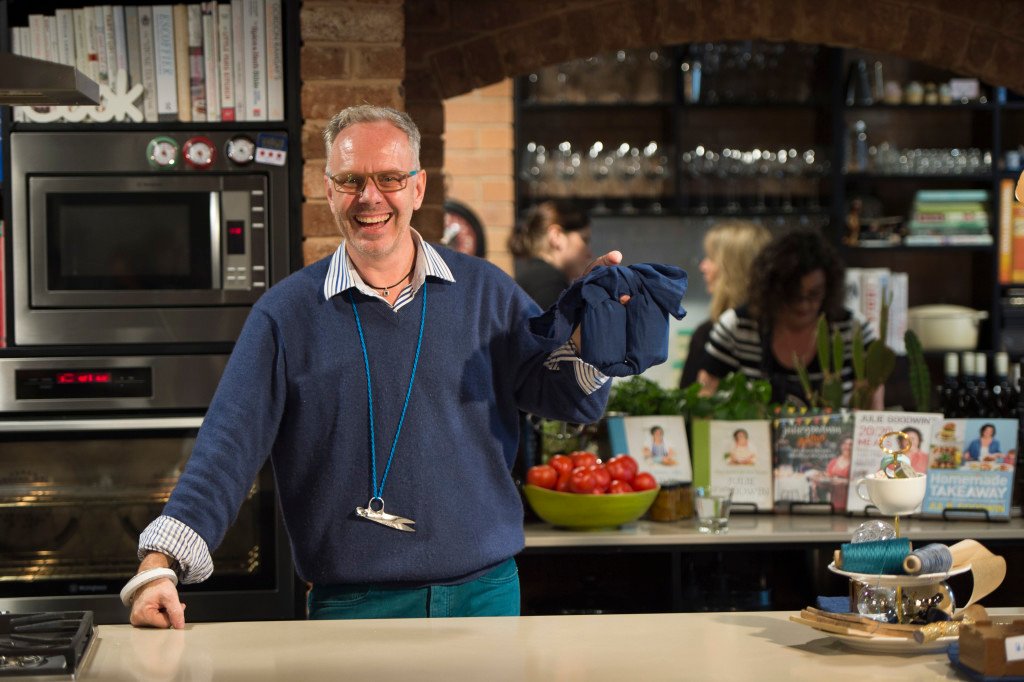
Westinghouse and Julie Goodwin owner of Julie’s Place cooking school has teamed up with stylist, Morrison Polkinghorne.

Julie Goodwin made a batch of Christmas chill mango chutney and some Ginger cookies but I was in Myanmar at the time, so Westinghouse especially flew me from Rangoon to Sydney to teach how to wrap the jars in fabric.

www.juliegoodwin.com.au

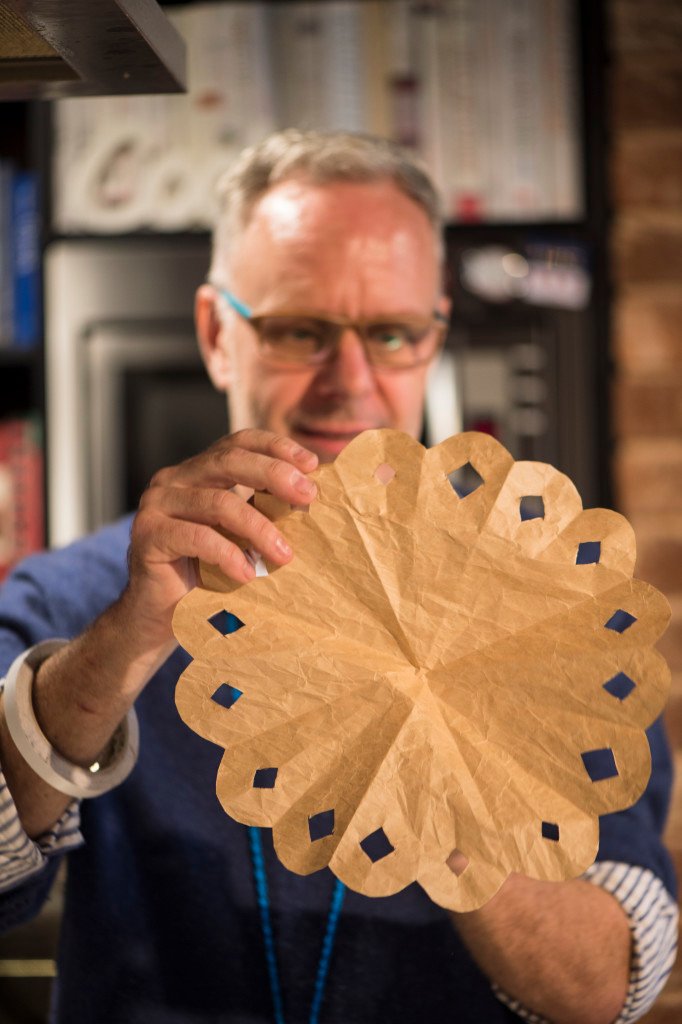
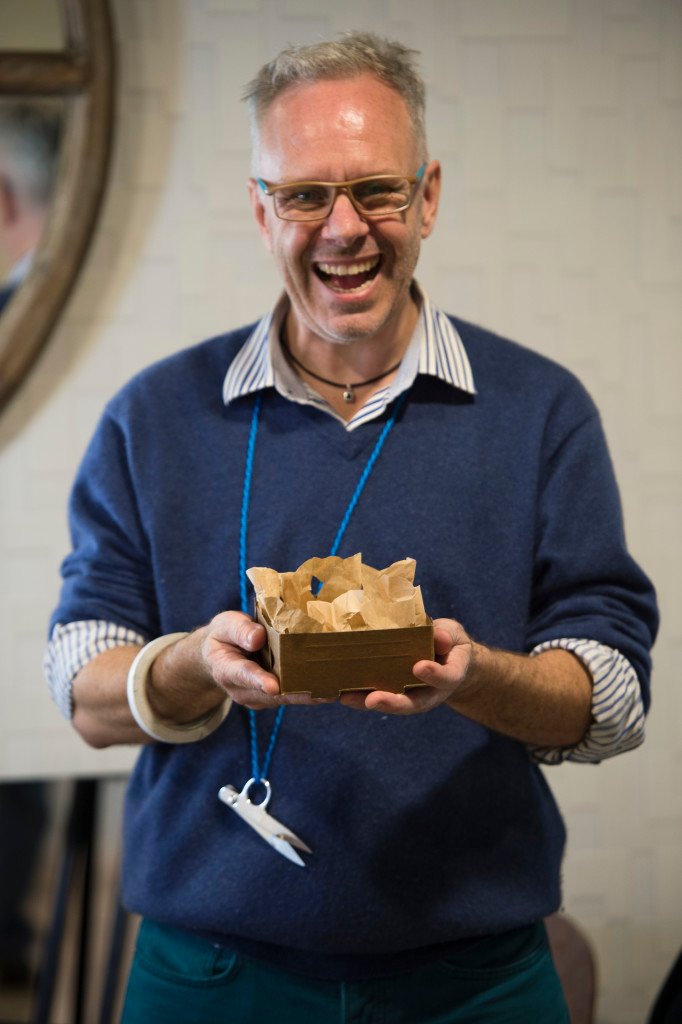
With Julie’s Ginger Christmas cookies I packaged them in a small waxed box, lined in a handmade crepe paper and trimmed with an origami paper strip. Topped with a heart cut from a local Myanmar newspaper that I had in my suitcase.

Master the art of gift wrapping with Morrison Polkinghorne.

1. Embrace imperfection.
When it comes to wrapping use what you have, says Morrison. If your paper is crushed, crush it some more and enhance the distressed nature. Keep it very “wabi-sabi”; this is a Japanese term centered on the acceptance of imperfection. Alternatively you can iron crushed paper to give it distinct pleats but please don’t try to make it perfect and new, let it age.
2. The world is your wrapper.
If you’re not one for tradition and you are after a more cosmopolitan feel, bring back a local newspaper when you’re travelling overseas to wrap your gifts.
3. DIY
. The finishing touches really make a beautifully wrapped present stand out. If you can’t find any ribbon, make your own decorative string by twisting colourful twines together. These little handmade touches stand out a mile and creating something bespoke is the most generous and beautiful gift you can give.

latest posts

Whenever I have the opportunity to return to Battambang, my former home in Cambodia, I always enjoy visiting and teaching at Phare Ponleu Selpak, an art school with around 1,000 students.

Noosa Awards 2026

Woven History of Murrayville Over a six month period, I worked with about 40 locals to create a body of artwork for …
Posted on

How to make Paper Snowflakes

How to make Paper Snowflakes

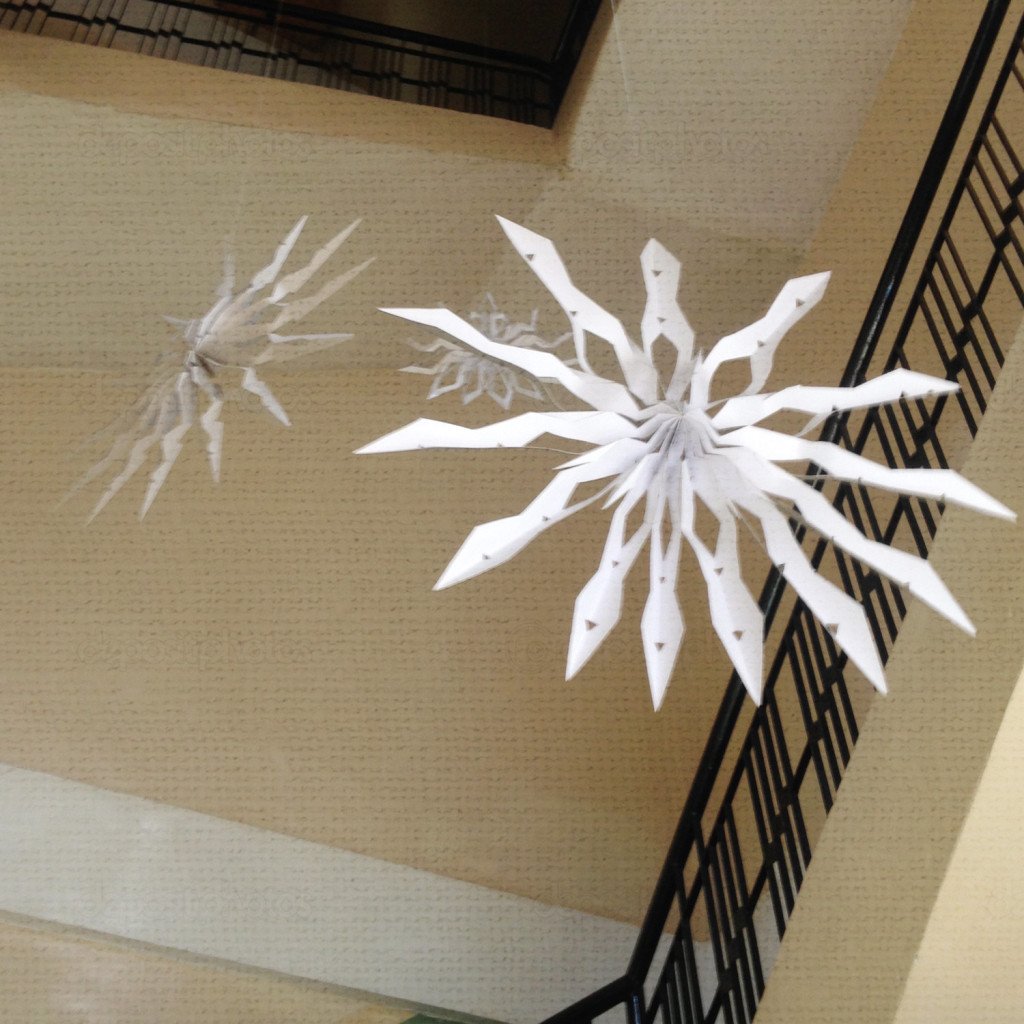
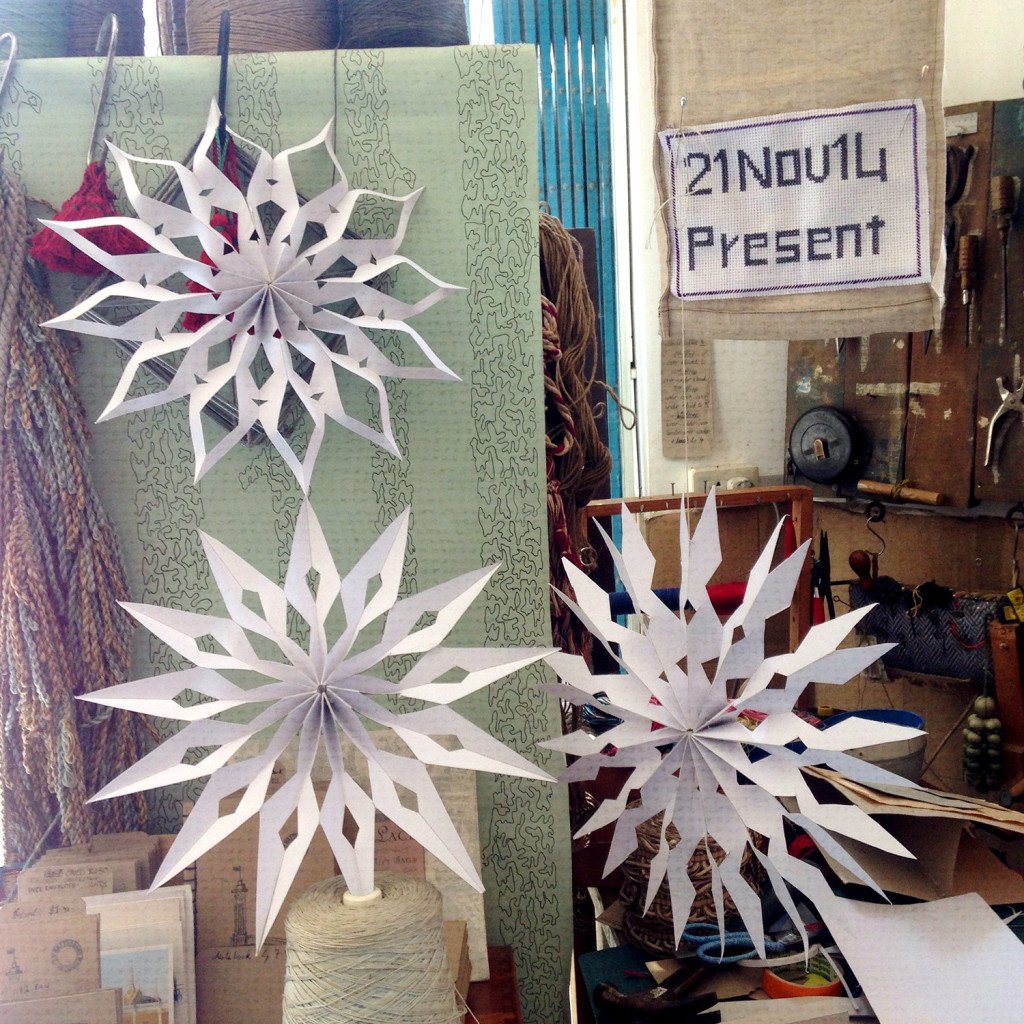
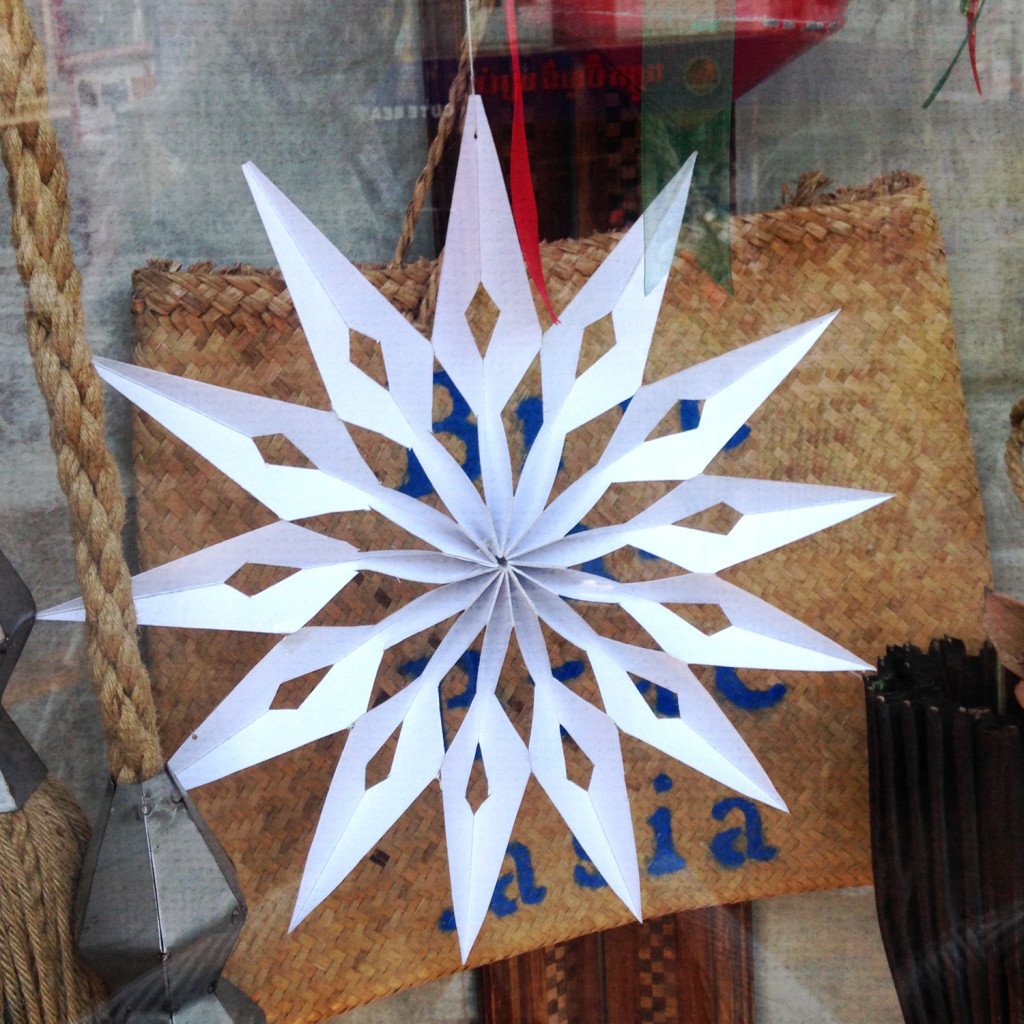
I decided this year to make Paper Snowflakes for our Christmas decorations. Simple and fun, but watch out for that dangerous blade.

Items required:
 – Card
 – Sharp Knife
 – Metal Ruler
 – Cutting Board
 – Double Sided Tape
 – Scissors
 – Needle and Thread

Cut a rectangle piece of card, two thirds longer than the width. The width should be half the total finished snowflake diameter.

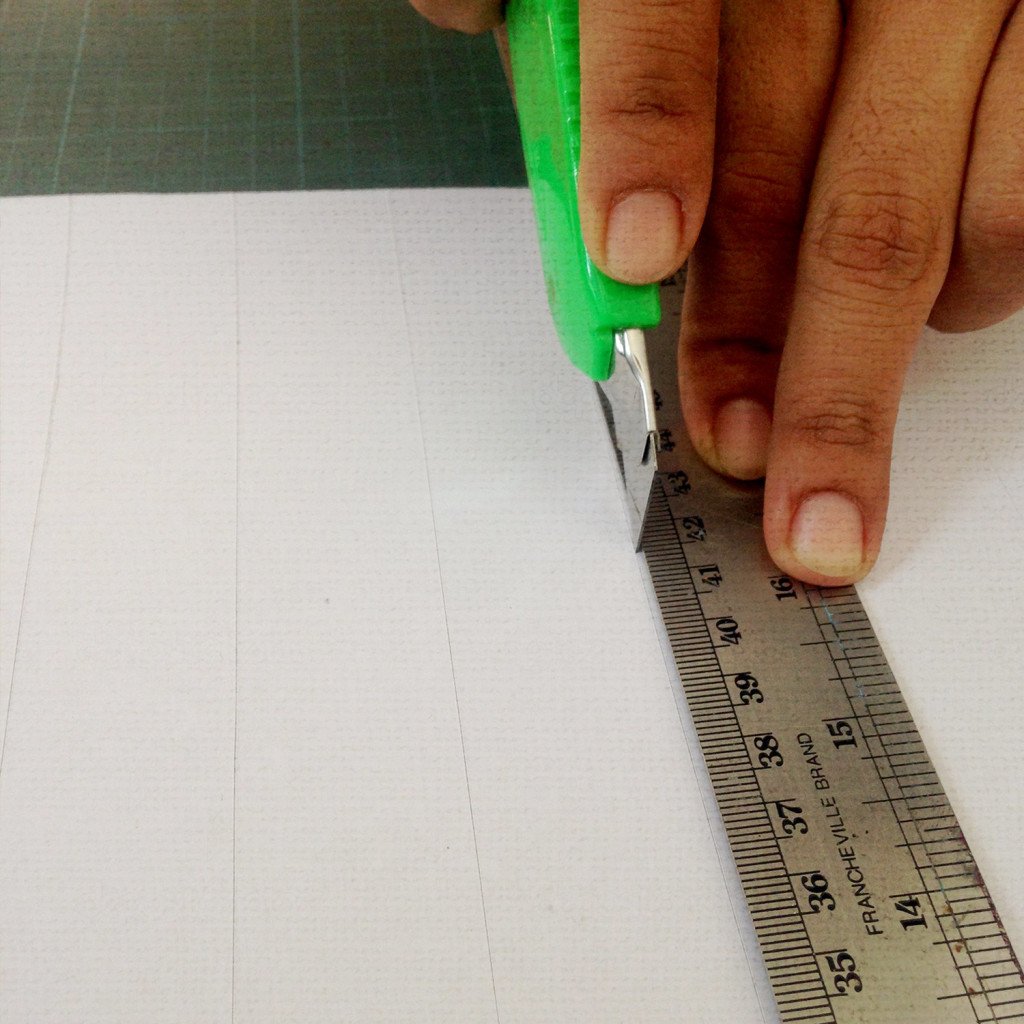
Score the card along the width with equally spaced score lines. Here, we make the score lines 4-5cm apart. DO NOT cut through the paper. These are only minimal score lines that only cut slightly into the card.

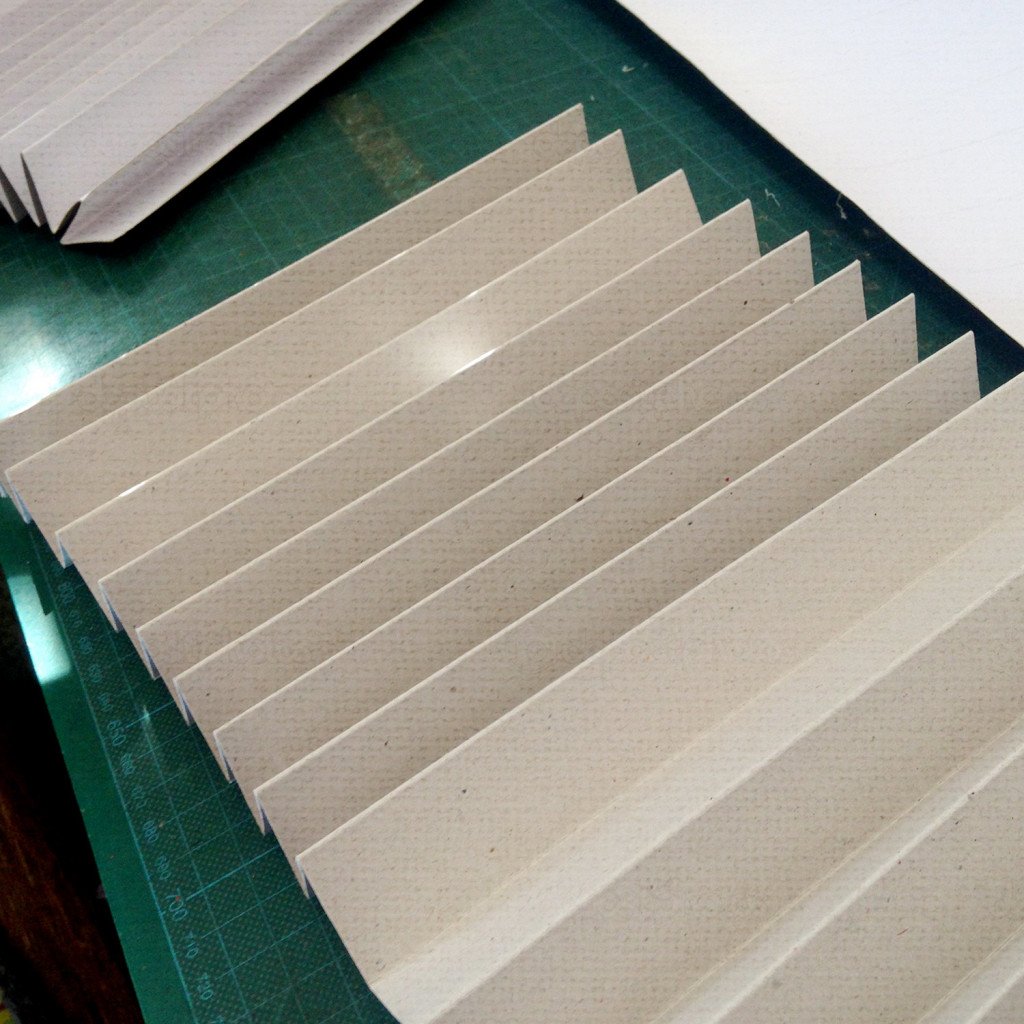
Using the score lines, fold the card into a concertina.

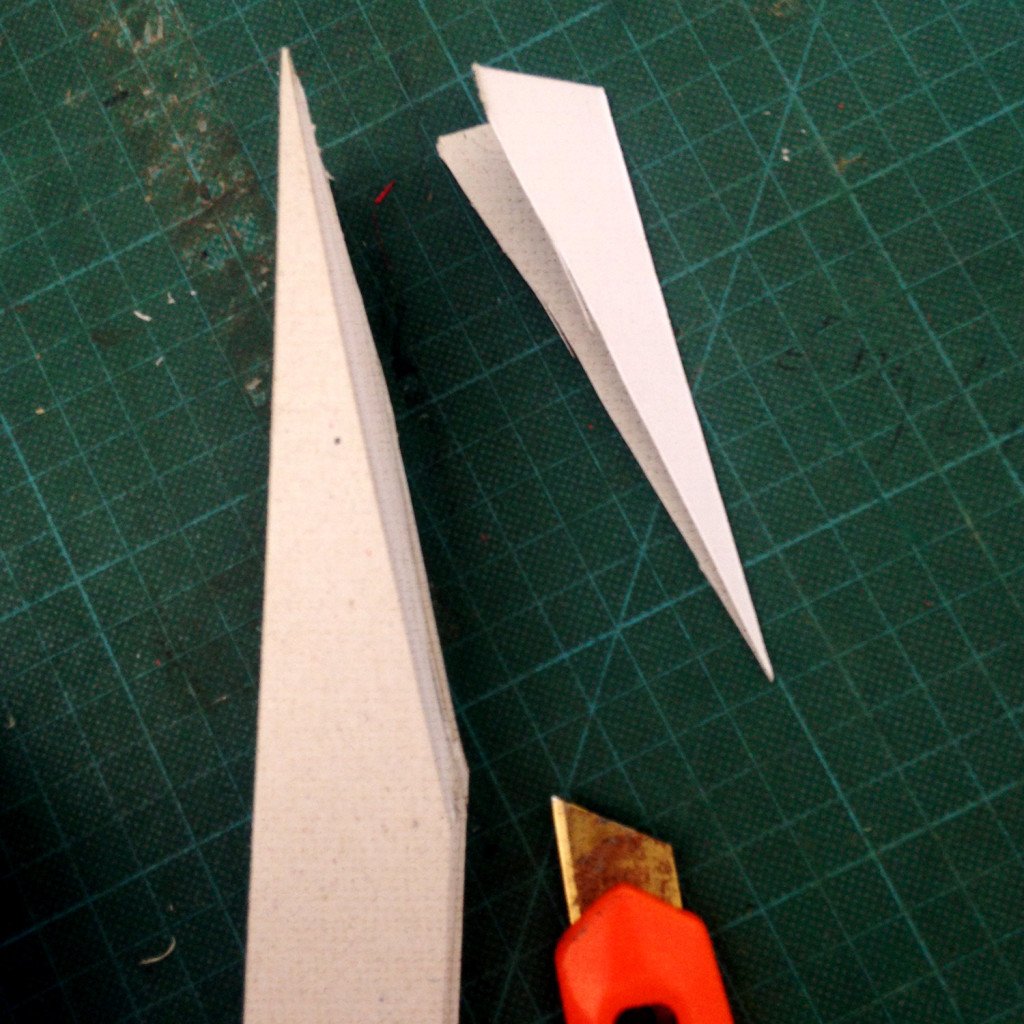
Cut the tip off the end of the fold, cutting all the layers of the concertina folded card.

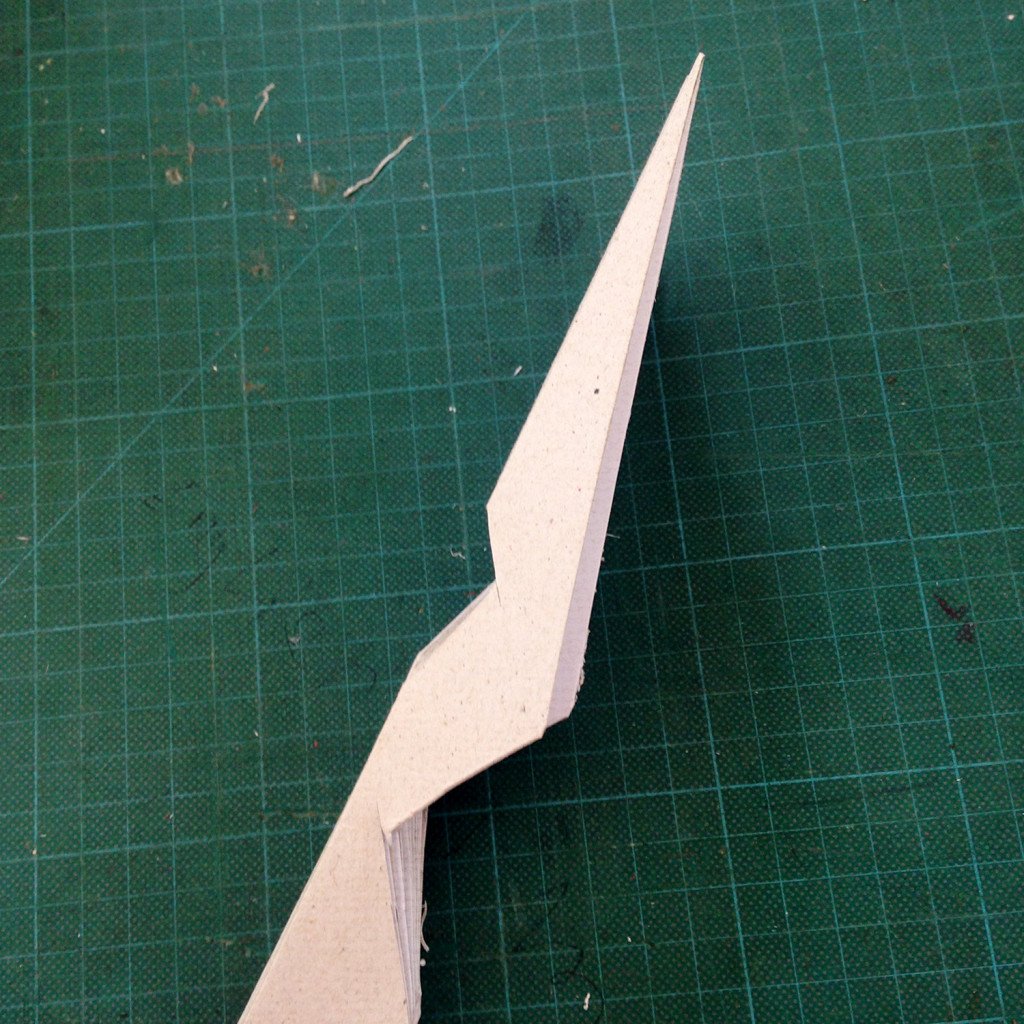
Down the length of the folded card, cut into the layers to make more groves.

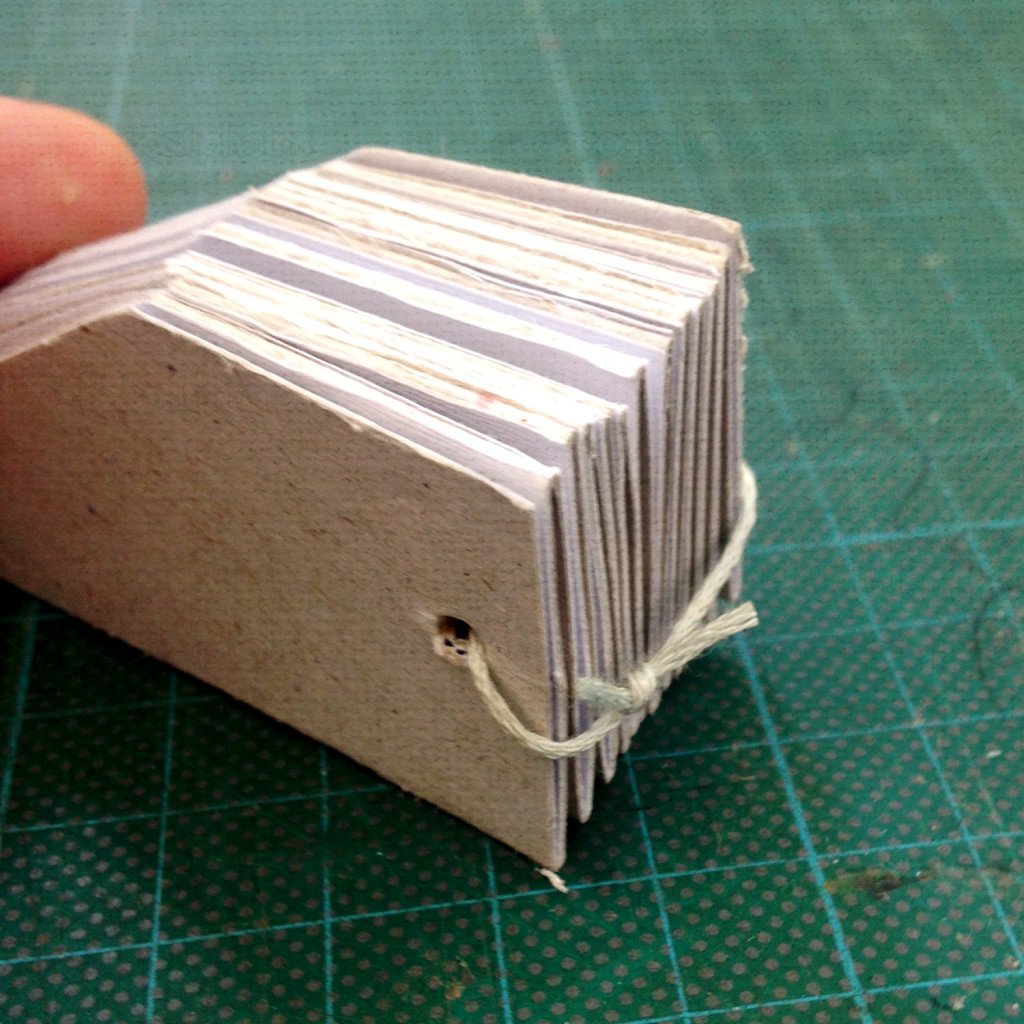
On the opposite end to your original cut tip, tie the layers together. You do not want this to be a tight tie, but you do not want it too loose. Upon completion of your paper snowflake, if  it is not flat, and it buckles, come back to this step and make this tie tighter. Likewise, if it is too tight, you will not be able to open the concertina folds to form a fully opened round paper snowflake.
Unfold the paper snowflake and attach the two ends of the card by using the double sided tape.

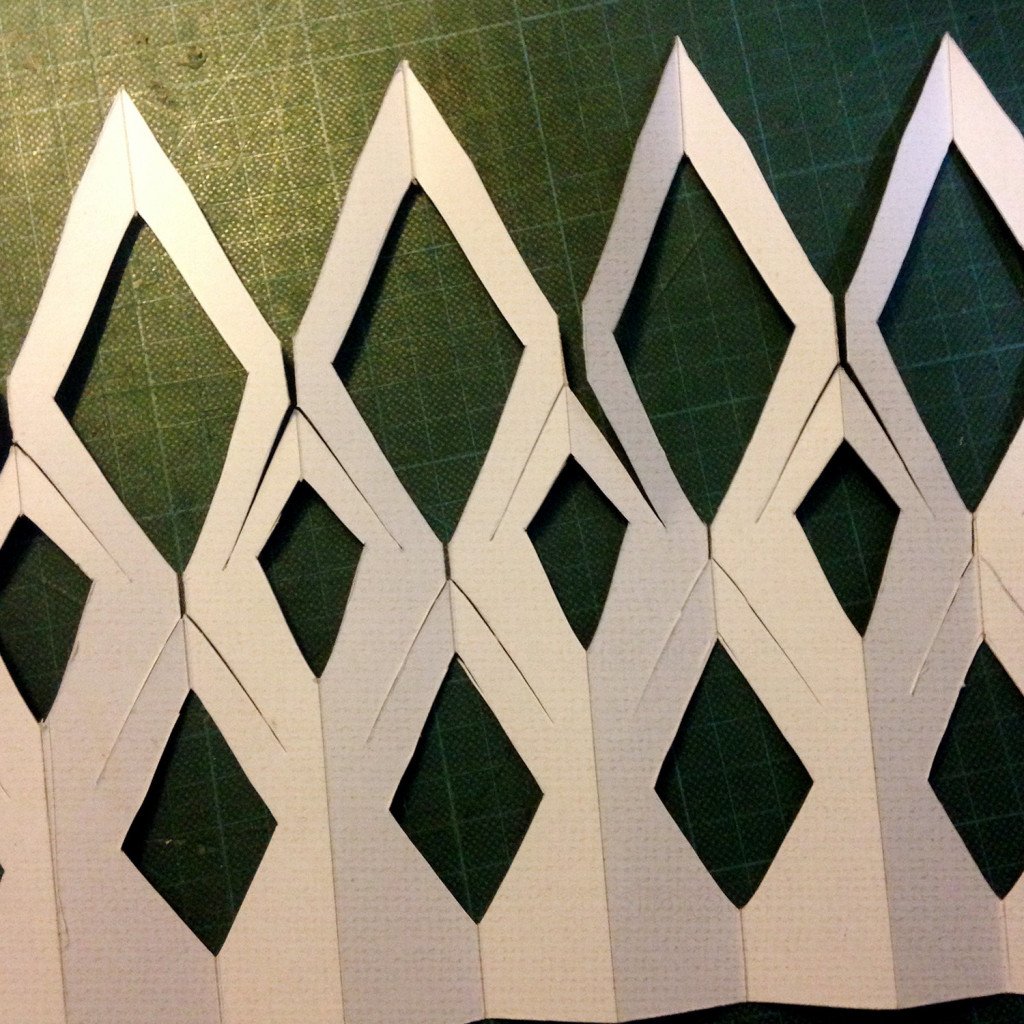
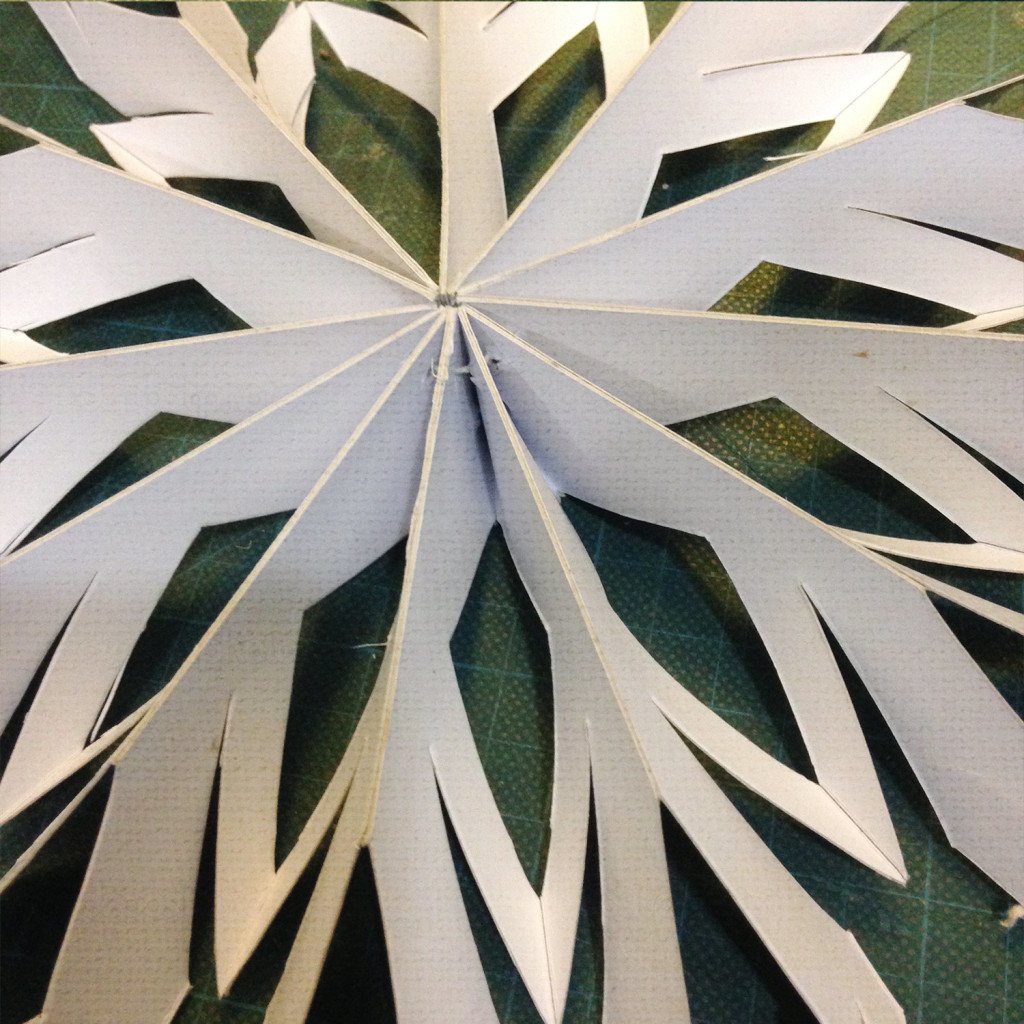
This image shows the unfolded concertina, prior to the stitching in the pervious step.

Posted on

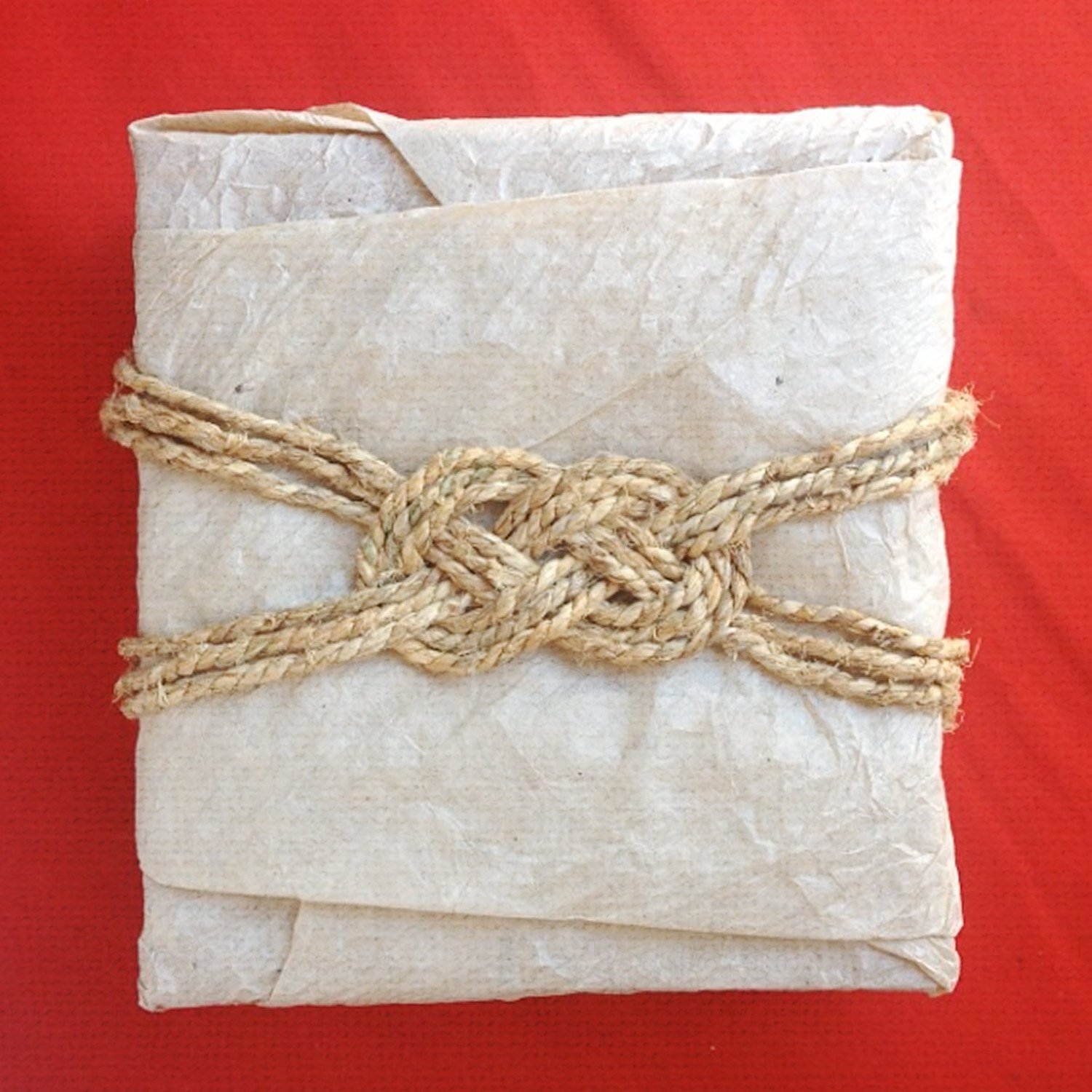
Wrap a present and finish it with a decorative knot.

Wrap a present and finish it with a decorative knot.

To estimate the length of cord:
To make a single layer knot, measure the circumference of the box + 30cm of cord
To make a triple layer knot, triple the above

Step 1
Fold the cord in half and start with this point.
Pull the bottom cord under and up to the top right

Step 2
Pull the bottom cord under the package and then over the loop then under this top cord

Step 3
Bring this cord down and over it at the original point then under.
Pull the top cord under the box and to the top left of the package.

Step 4
The cord will then go under, over and then under where the other cord ends.
Then with a mother cord, the same length, repeat  this process two or three times.,
or simply stitch the two ends together  and died it with the original cord.

Posted on

Tassel and Wrapping workshop in Hong Kong

Wrapping and tassel workshop in Hong Kong.

Join me in a three-hour workshop at Mirth, Wong Chuk Hang, Hong Kong. 18th November 2015.

Its the beauty of wrapping that can be the true gift to our friends and family. This workshop is all about the presentation of gift giving. Discover Japanese techniques where gifts are perfectly wrapped in paper or fabric. No sticky-tape to be seen.

Learn to embellish gifts, by making thin, S-Twist & Z-Twist cords, which are ended with  simple tassels on each end. Monogram wrapping paper with the receiver’s initials. Plus much much more.

Morrison Polkinghorne, of Passementeries, makers of the finest tassles, fringes, braids and cords, will be in Hong Kong on November 18, 2015, for one workshop only demonstrating and teaching the intricacies of his splendid hand-crafted ornamental decorative trimmings and tassels. The textile designer and authority of Asian antiques is a true artist who has single-handedly reinvigorated and driven the passementerie story into the 21st century. His work has involved collaborations with international designers for private and public spaces, restaurants, and his pieces have graced the rooms of iconic buildings including the National Gallery of Victoria as well as Sydney’s Kirribilli House. Now based in Battambang, Cambodia, where Polkinghorne owns and runs the boutique hotel bric-a-brac with his partner chef and author Robert Carmack, the self-described ‘tassel maker’ has spent the past few years training and overseeing a talented team of local artisans who continue to help create the passementerie which is all hand-crafted from natural fibres or jute.

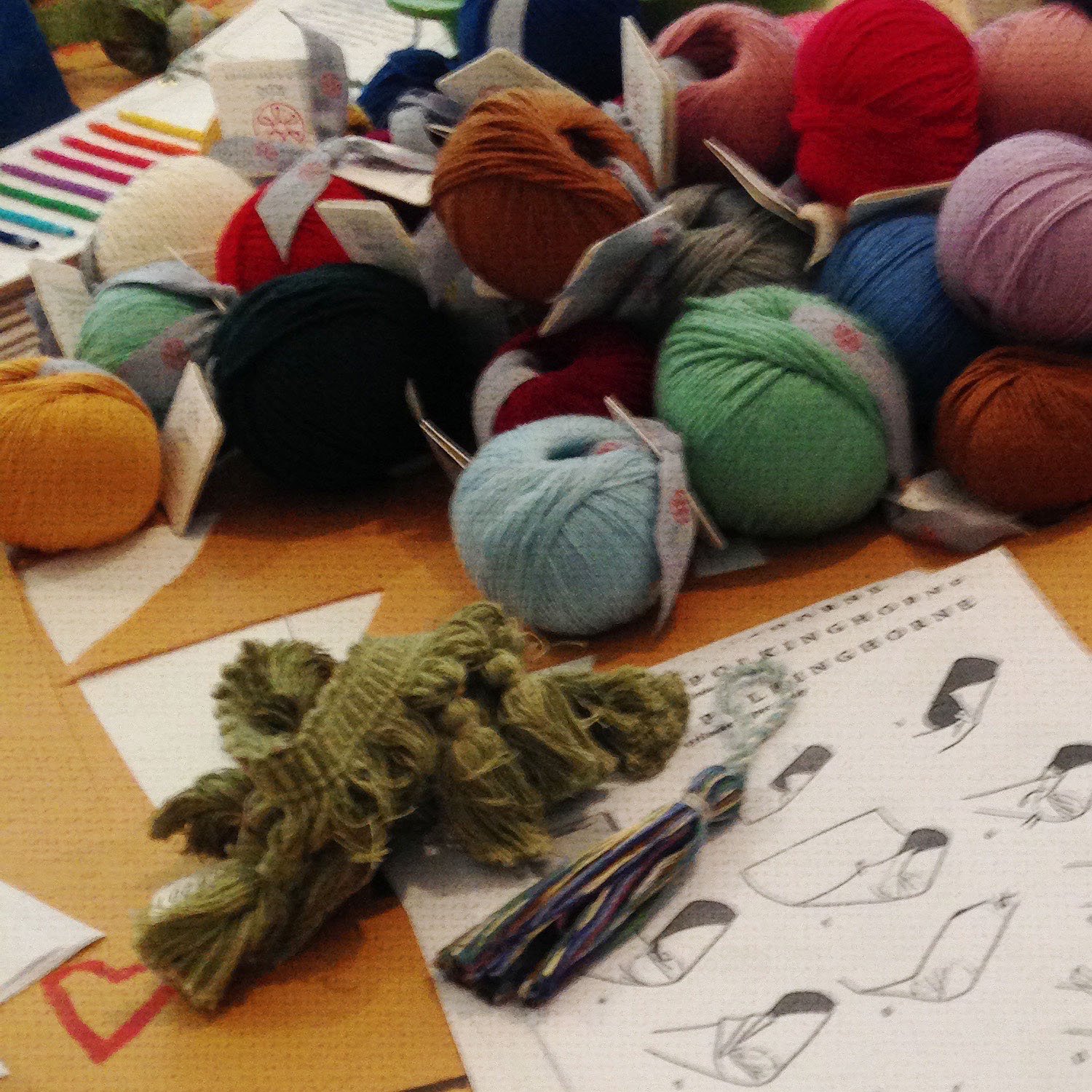
In this three-hour workshop at Mirth, Wong Chuk Hang, you will learn tassel making skills from the best in the biz, Morrison Polkinghorne of Passementeries, while using KPC’s beautiful wool and cotton yarns. Polkinghorne will also pass on his knowledge of Japanese gift wrapping so all your future Christmas and birthday presents are guaranteed to look more beautiful and inspired. 

There will be a glass of bubbles and refreshments provided for all guests taking part.

For more information or to book please visit stylebrief.bigcartel or call 9186 2094 for more information.