Coming from Australia, I always thought my self as green and one that recycles, reuses and rehashes. But after travelling to Myanmar I realise how little we actually do in the West. One example is how they reuse everything. I met a man last week who makes flip-flops from old car tiers, I almost bought a pair, but decided not to. Now I wish i did. I guess I’ll get pick up a pair next time were back to Mandalay to skid around town.
These bags are made from the plastic packing tape. I first saw them here in Myanmar/Burma over a decade ago, then they became popular across SE Asia. In the West we use this tape to tie and tighten up a cardboard box, then banded or heat sealed to make it tight and secure. Here in Myanmar locals use this same packing tape to weave the bags. Better yet, the metallic inner band of car tires are used to strengthen them. The color combinations are endless, the sizes, shapes and sizes all vary. If you need a specific size, shape or colour, it only takes a day or two to get one ordered, and sometimes custom made while you wait.
Lotus weaving on Inle lake in Myanmar. Fabrics derived from lotus fibre are strong, soft and to put it succinctly, it takes a long long time to make one simple scarf.
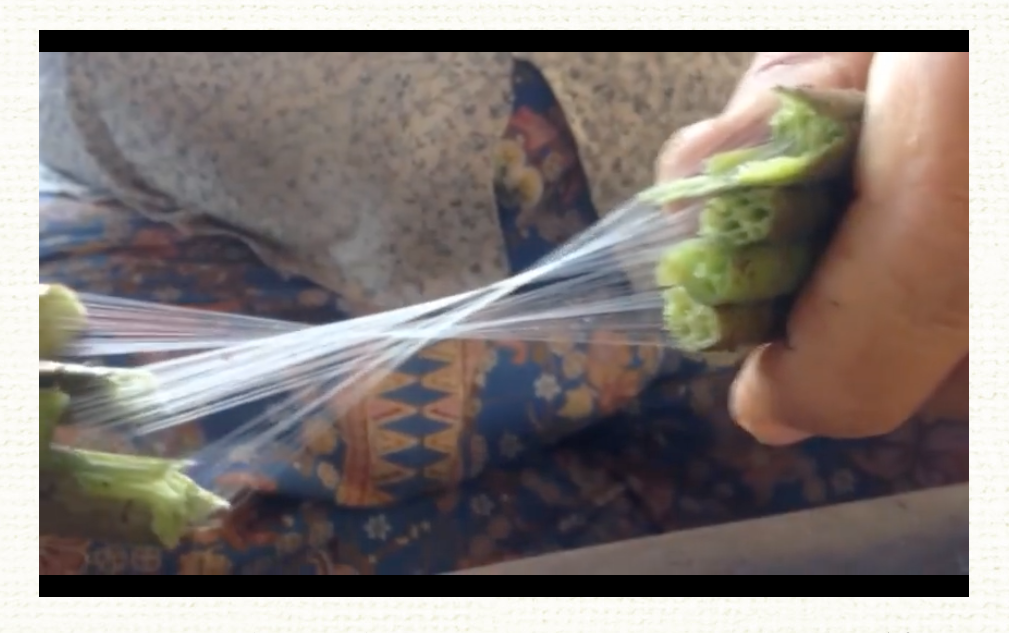
The fabric is a simple weave, either a plane or a twill weave. But it is the thread that is the time consuming aspect of this fabric. The actual thread is made from the slimy stalk of the lotus leaf. It is is broken and then pulled, the fiber is then hand twisted into a thread. One simple scarf will take about 20 days to produce enough thread and will set you back about US$100.
Lotus weaving is just one of many delightfully unexpected experiences to encounter on Inle lake. in Myanmar/s Shan State..
Head to Mandalay for gold leaf making. Here, you will find numerous noisy, sweaty and glistening locations. Myanmar gold leaf is handmade in time-honored fashion from 24k gold. In one day a worker at this factory will painstakingly turn 32 grams of gold into about 750 layers of finished sheets of gold leaf.
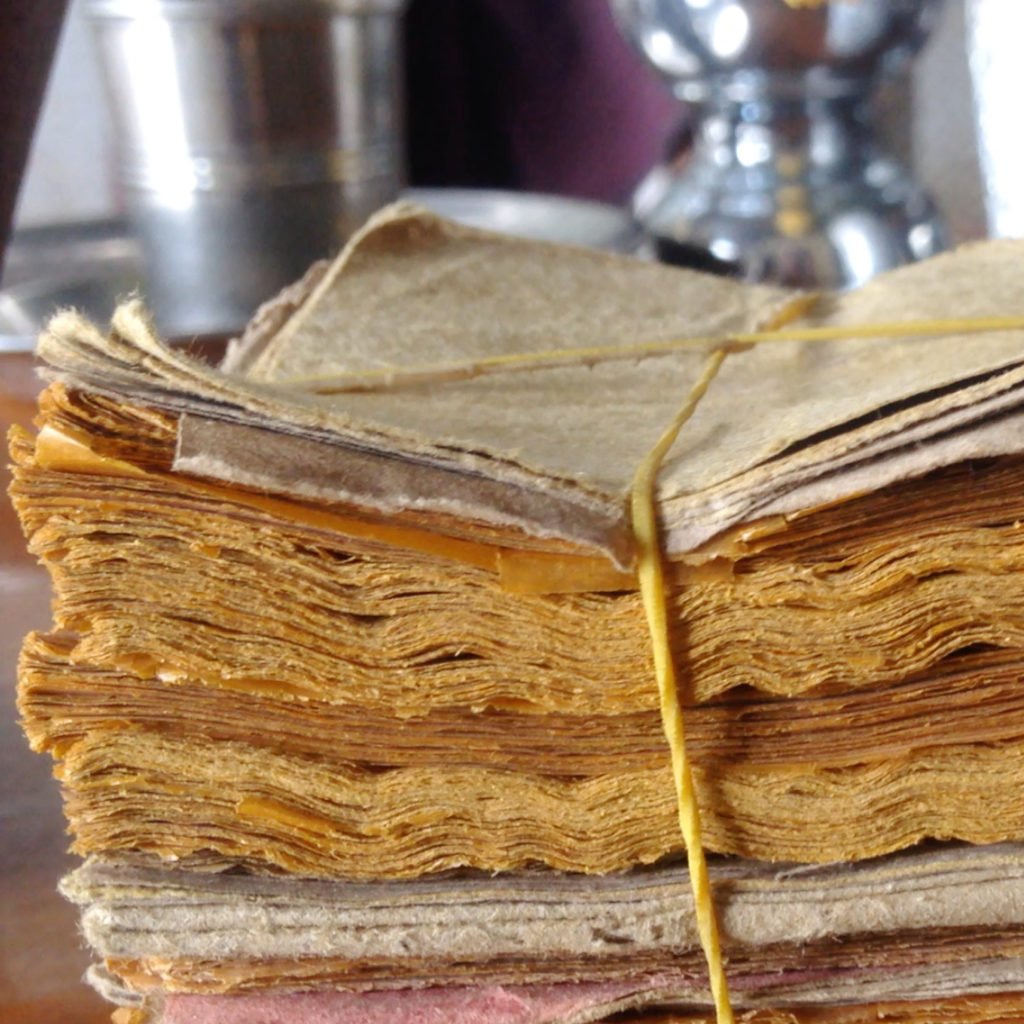
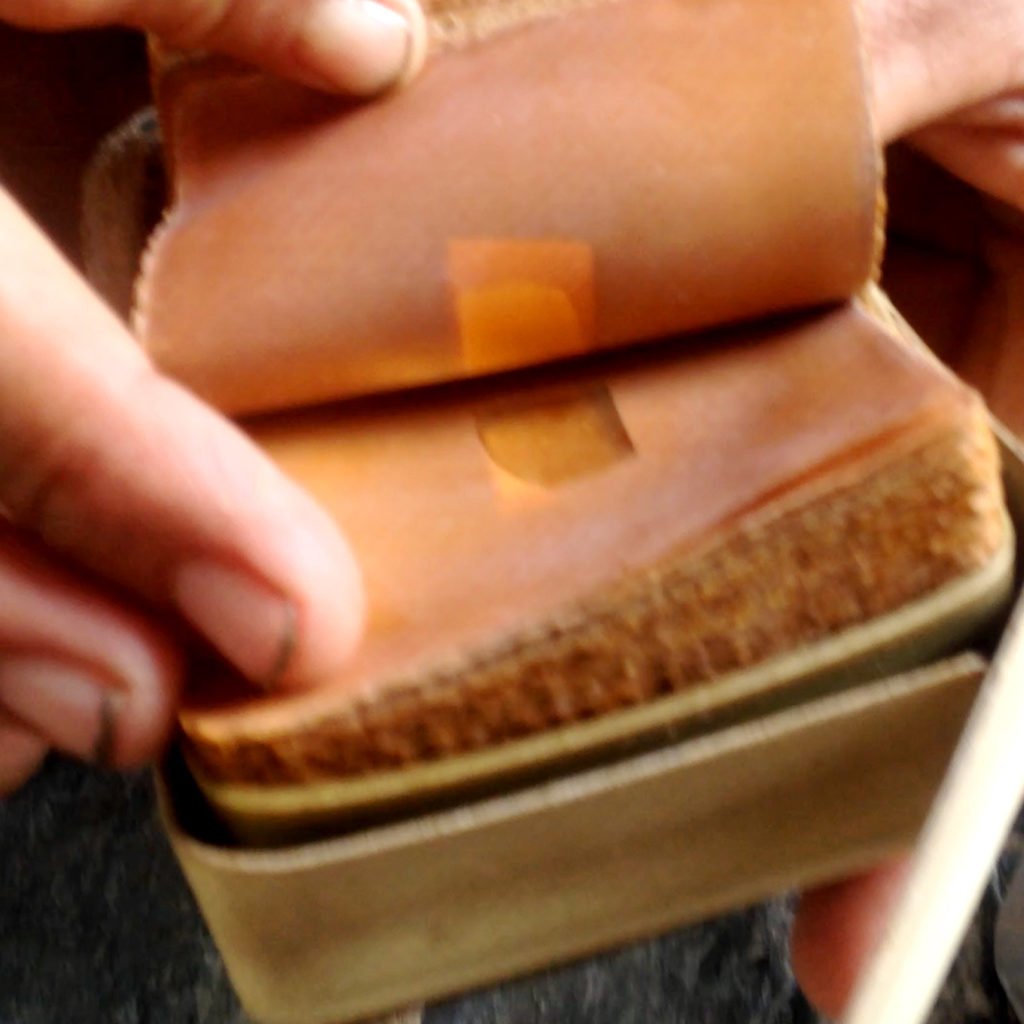
Between the layers of gold is handmade bamboo paper. A special local bamboo with a solid core is shredded and soaked for three years to make a paper which is very strong and incredibly smooth. A speck of gold is placed between each sheet of the bamboo paper, and then layered with many others. All of this is then wrapped in deer hide and then pounded. Normal cow hide is not strong enough to withstand the continuous beating, nor as flexible.
The gold leaf bamboo stack is initially pounded for about 30 minutes twice and then it is beaten again for another 6 hours.
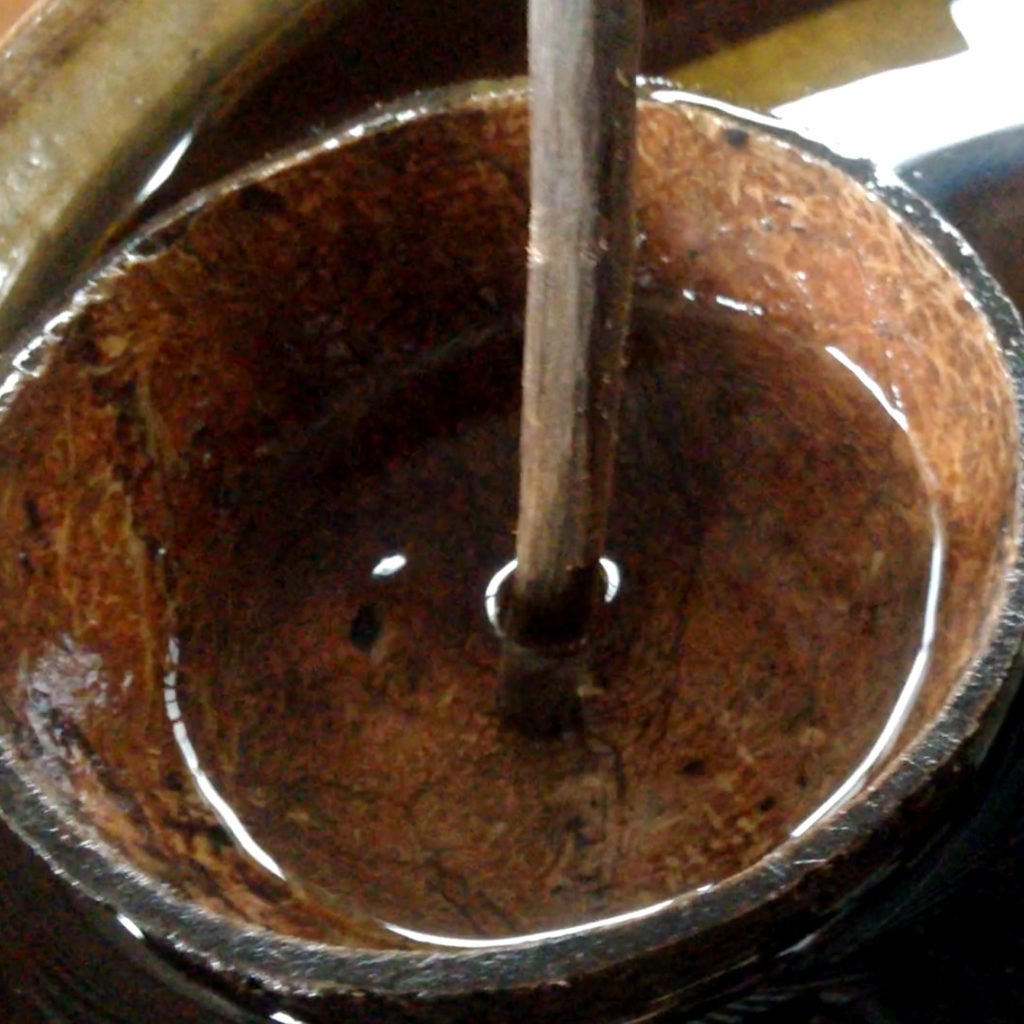
A coconut water clock is used for the timing, with a small hole in the coconut shell that slowly allows water to fill the shell. When it has been filled 80 times, the pounding process is completed.
In Myanmar there are more than 20 workshops and more than 100,000 workers producing gold leaf for the country’s temples and pagodas. Sadly, the nation’s most symbolic symbol, Shwedagon Pagoda, is set to be re-gilded with machine-made leaf.